Read the
original.
Condition, history and character.
Understand the car before changing it.
01 RESTORATION / RESTOMOD
Restoration, restomod and engineering.
A developing automotive practice.
02 THE METHOD IN PRINCIPLE
Condition, history and character.
Understand the car before changing it.
Verify the space and the interfaces.
Plan how the systems work together.
Photographs. Measurements. Decisions.
Document what changes and why.
03 FROM FORM TO DETAIL
Three questions behind
a considered change.
Does it respect the original car?
How does it fit the whole assembly?
What must be measured and verified?
Restoration, restomod
and applied engineering.
METHOD is developing its practice around careful assessment, verified measurements and documented decisions.
Read the original before proposing a change.
Turn the visual idea into a question to verify.
Connect each decision to photographs and measurements.
Establish the car’s condition, history and original design.
Plan packaging and control integration around verified measurements.
Keep a traceable record of changes, checks and decisions.
Our 1991 Suzuki Swift.Our development and demonstration vehicle. CAD-led packaging and OEM control integration are planned; the specification remains open.
01 / ORIGINAL CHARACTER
1989 Swift GTi period references, used to study form. These are not photographs of our 1991 project car.
Select an observation to reveal its trace. Select again to clear it.
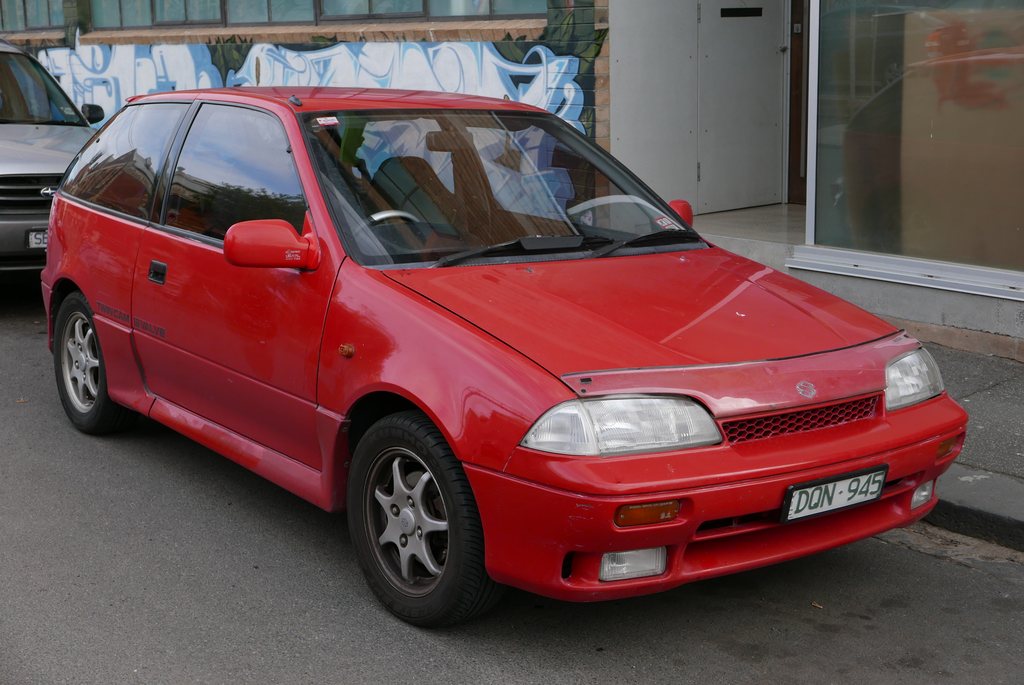
Look at the relationship between the bonnet, cabin and wheels.
A short bonnet, steep windscreen and upright cabin. The character comes from how these volumes meet.
Read the tyres, arches and the body between them as one visual balance.
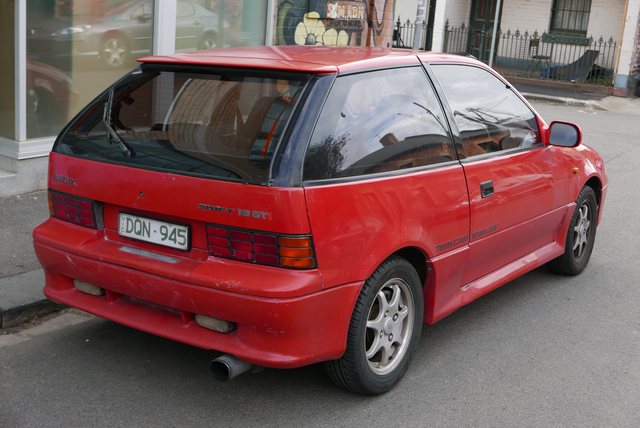
Follow the side glass around to the hatch; it connects the cabin and rear.
The lower glass edge continues around the cabin and hatch, holding the shape together.
Visual observations of the reference car. Traces are illustrative, not measured geometry.
1989 Suzuki Swift GTi · Photographs by OSX / Wikimedia Commons · Public domain. Front source ↗ Rear source ↗
THE DEVELOPMENT VEHICLE
A founder development project, separate from commercial commissions.
02 / DESIGN QUESTIONS
Three studies will guide the build. Each begins with measurements of the actual car.
What can fit within the car, and what would it ask us to change?
Map a CAD layout from verified measurements. Clearances, drivetrain choice and geometry remain open.
How could OEM controls belong within the chosen layout?
Study OEM control placement against the chosen hardware and packaging. The integration approach remains undecided.
What evidence will explain each decision?
Record the build with real photographs, verified measurements and dated decisions: what changed, and why.
03 / INTENDED DIRECTION
Keep the Swift’s original character while resolving the practical constraints of the layout.
DIRECTION IN DEVELOPMENT / SPECIFICATION OPENTell us about the car, its condition, and the change you’re considering.
Tell us about